Obedience is often formed long before a clear yes ever arrives. It’s shaped in faithful no’s—no to pressure, pace, and opportunities that don’t fit the season. Long before God gives the yes, He teaches us obedience through faithful no’s.
Authentically leading and empowering others to flourishing life in Christ
Obedience is often formed long before a clear yes ever arrives. It’s shaped in faithful no’s—no to pressure, pace, and opportunities that don’t fit the season. Long before God gives the yes, He teaches us obedience through faithful no’s.
Being surrounded by people doesn’t guarantee clarity. In a crowd, seeing what matters often requires a shift in posture, attention, and intention. This reflection explores what we miss when we’re present but not truly aware.
Leadership doesn’t usually fail because leaders are blind—it falters because their focus becomes distorted. When lenses are cluttered by outdated metrics, assumptions, or noise, leaders start misreading people, priorities, and progress. What you look for is what you’ll find, so clarity of attention matters more than ever.
Discerning God’s voice can feel harder than it should—not because He’s silent, but because we’re often listening for a tone He isn’t using. Scripture shows that God’s guidance is more often quiet, relational, and revealed through faithful steps rather than dramatic clarity. This reflection invites us to reconsider how we listen, trust, and follow.
This week carried a few consistent themes—presence over pursuit, faithfulness over visibility, and joy found in unexpected places. From leadership and youth ministry to ordinary moments behind the mic, each post pointed toward the quiet work God is doing right where we are. This weekly wrap-up gathers those reflections and offers a simple invitation to slow down, notice, and receive.
Some of the greatest joys in life aren’t planned—they quietly find us when we’re present enough to notice. On a Friday night behind the mic, I’m reminded how unexpected moments can bring clarity, gratitude, and joy. This reflection invites us to slow down and receive what’s right in front of us as the weekend begins.
Youth ministry isn’t formed by chasing what’s new, flashy, or working somewhere else—it’s formed through consistent, faithful presence. When leaders run after ministry instead of receiving what God has already entrusted to them, distraction and burnout aren’t far behind. This post challenges youth pastors to steward the students, leaders, and environments already placed in their care.
“Be content to be faithful” is simple wisdom that often runs against our instinct to strive for more. In seasons where influence and progress feel urgent, faithfulness can feel like settling—but it isn’t. This reflection revisits why contentment in faithfulness is often exactly what God uses to shape us for what comes next.
I once believed leadership was something I needed to pursue and position myself for. Over time, I realized that chasing influence can quietly pull us away from the people and responsibilities already entrusted to us. Faithful leadership isn’t something we run after—it’s something we receive as we walk attentively with God.
In leadership and ministry, it’s easy to confuse chasing opportunity with faithfulness. Scripture reminds us that attentiveness, presence, and trust often position us to receive the moments God is already bringing. The question isn’t what we should run after, but what we don’t want to miss.
It’s Saturday again — a chance to look back across the week and notice not just what was posted, but what might have been taking shape in you as you read, paused, and reflected Here’s a quick walkthrough of this week’s posts — and an invitation to sit with what God has been speaking to you along the way.
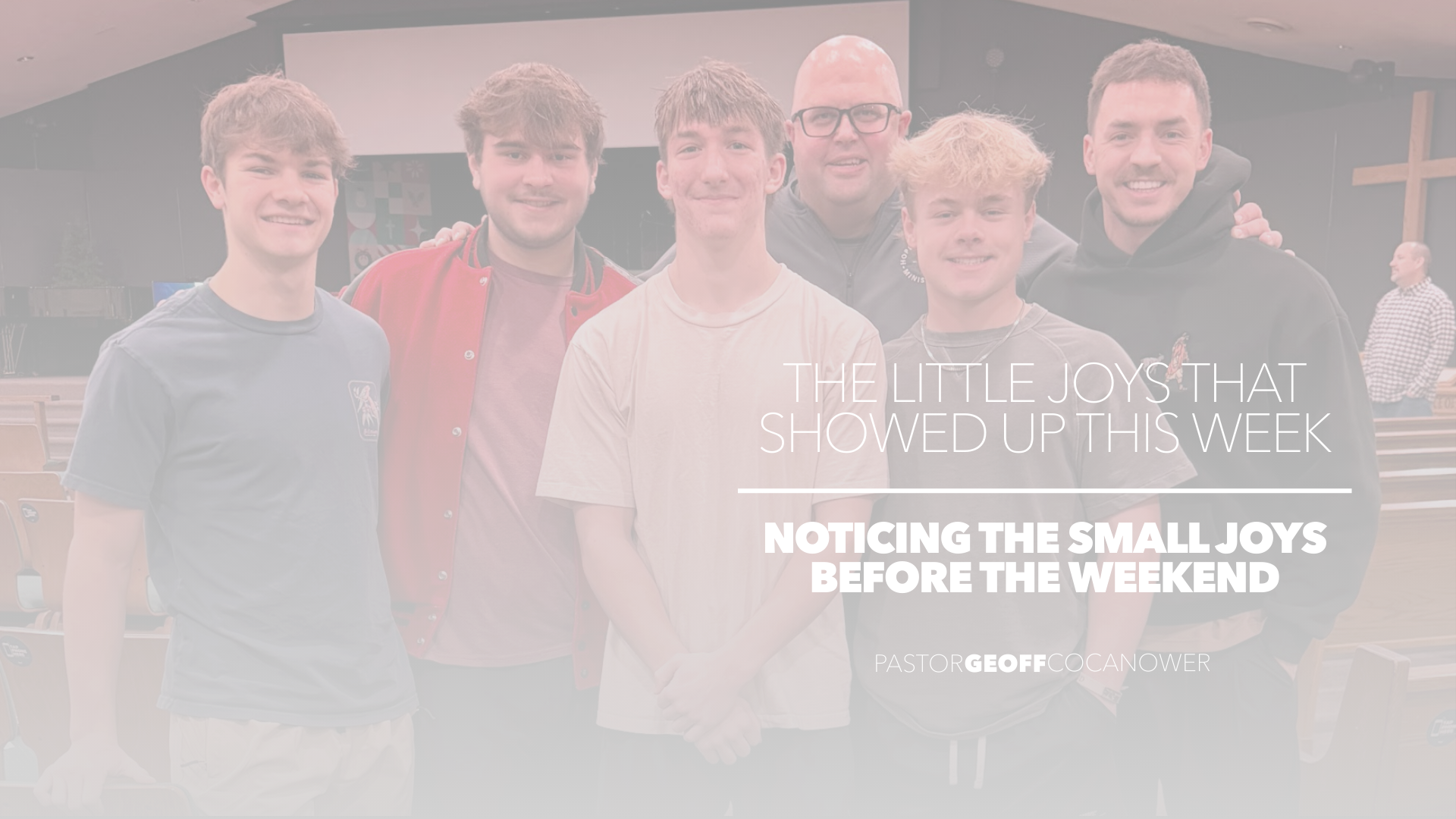
As the week winds down, it’s easy to overlook the small moments that quietly brought joy. Taking time to notice those ordinary gifts helps us carry less into the weekend and remember that God is still present. Sometimes the most meaningful joys are the ones we almost miss.
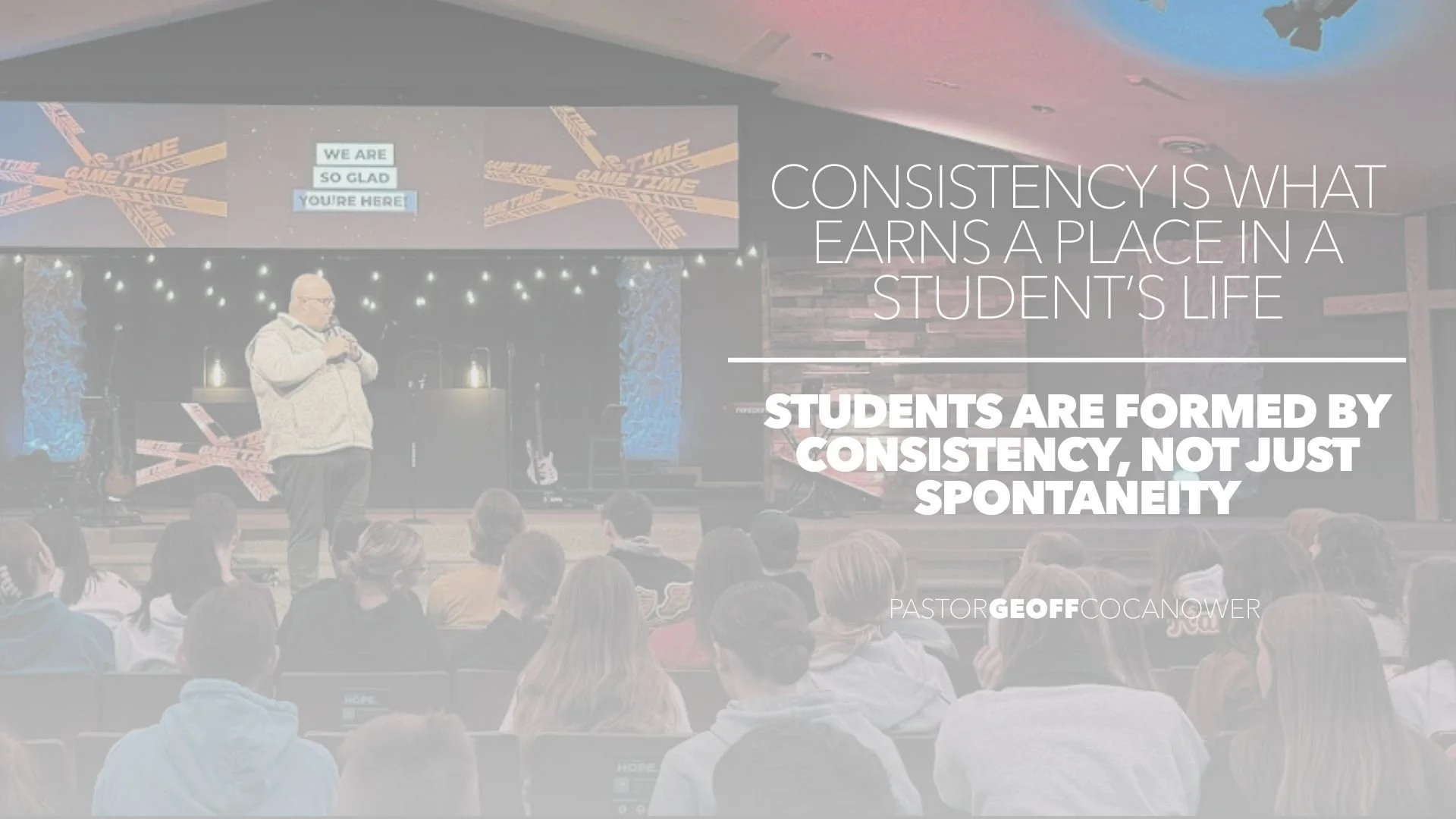
Youth ministry often drifts toward the spontaneous, but students are formed by the consistent. While unplanned moments matter, predictable environments build trust, presence, and relationship over time. When youth ministry is clear and consistent, it becomes a meaningful multiplier in the discipleship of students and families.
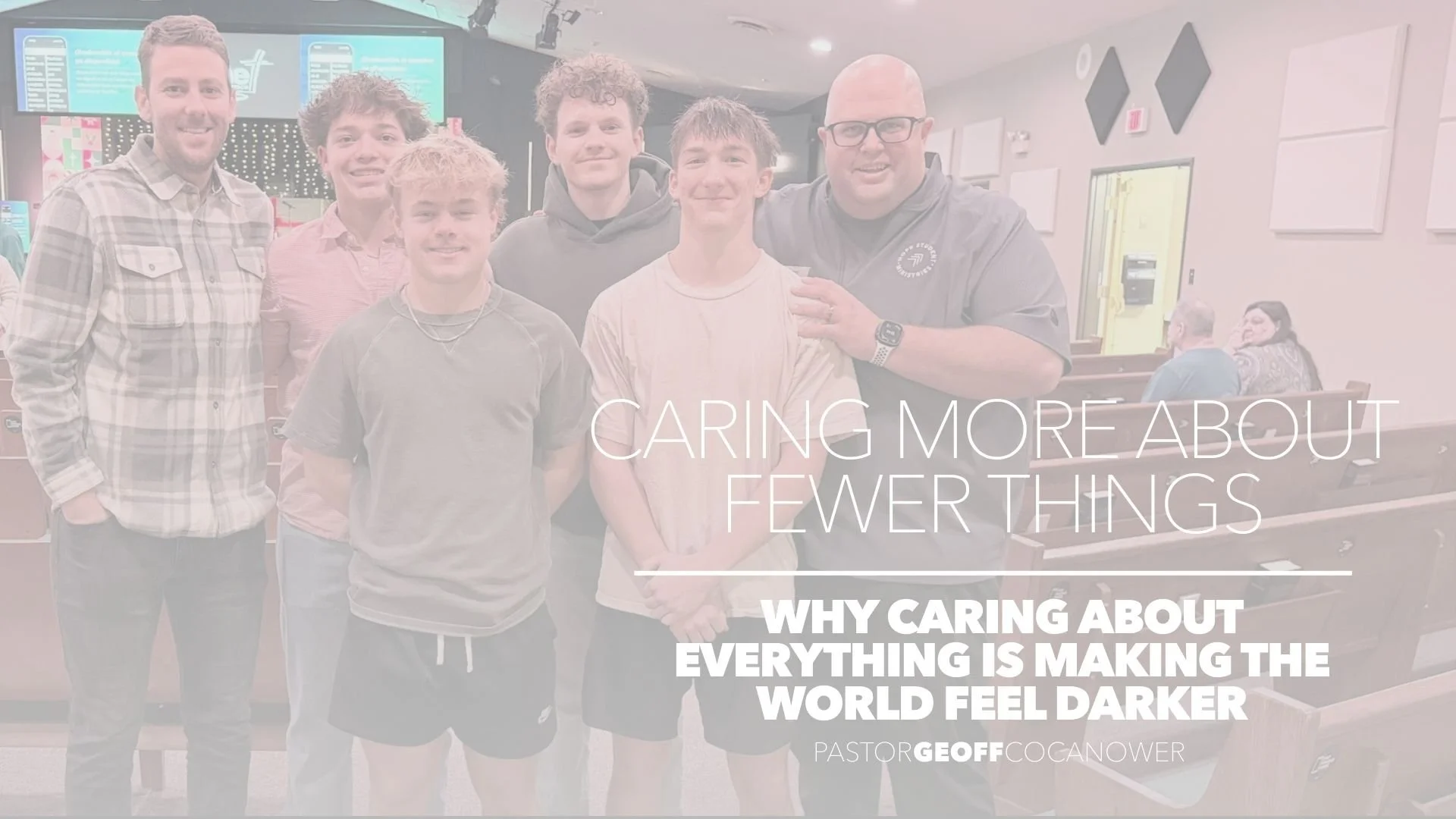
The world feels darker when we’re constantly exposed to problems we have no power to change. When everything demands our concern, nothing receives our care—and hopelessness quietly takes root. Choosing to care deeply where we have proximity and agency may be one of the most faithful decisions we can make.
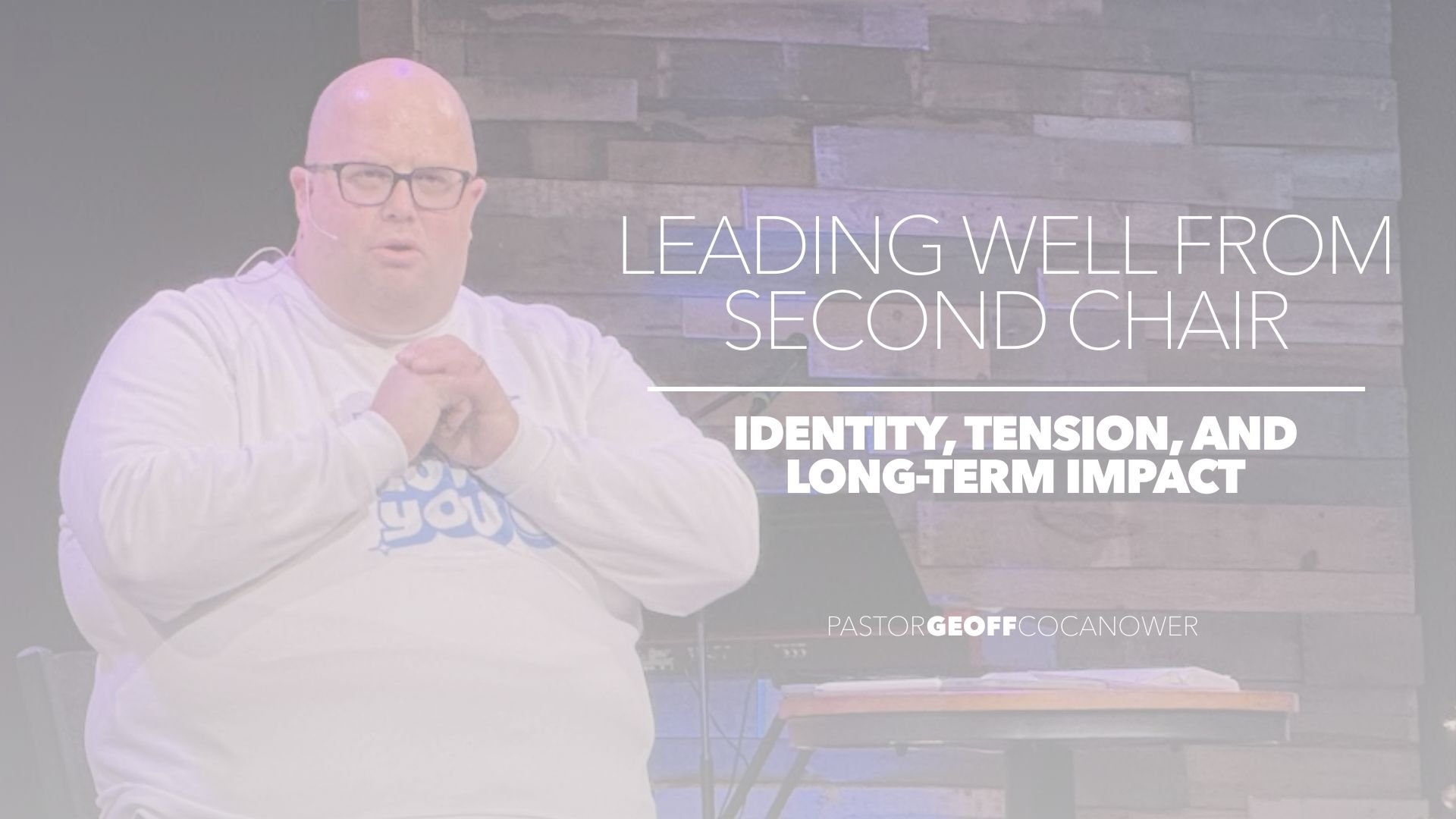
Second-chair leadership tension is rarely about mission—it’s about identity. When who we sense we are becoming no longer matches what we’re doing in the present, internal friction rises. Learning to steward that gap well can shape leaders for deeper, long-term impact.
Mondays have a way of revealing what we’re trying to carry alone. When the task list grows, anxiety rises, and boundaries slip, exhaustion often becomes our fuel of choice. But executing from exhaustion rarely produces excellence—and Jesus invites us to carry our work differently.
Sometimes growth doesn’t stall because it’s neglected—but because it’s contained. Scripture reminds us that formation is not produced by striving harder, but by sinking roots deeper. The invitation is not to do more, but to release what limits growth and trust God with the slow, faithful work of transformation.
Sometimes growth stalls not because it’s neglected, but because it’s contained. Through the quiet wisdom of Leona Martin, I learned that healthy plants can still outgrow their containers—and that protection, when held too long, can become restriction. Scripture reminds us that God doesn’t describe His people as houseplants, but as oaks of righteousness, planted for lasting impact.
Sometimes clarity about our gifts doesn’t come because someone names them for us—it comes because we see them come alive in action. In Luke 2, Jesus is found in the temple, fully engaged in the place where His gifts naturally surface. Often, faithful participation reveals what prolonged analysis cannot. God meets us in motion and invites us to keep showing up with humility and trust.
One of the ways we begin to recognize the gifts God has placed in us is when someone else sees it before we do. Scripture shows us that God often uses shepherds, mentors, and trusted voices to name what we can’t yet articulate in ourselves. Gift discovery doesn’t always begin with certainty—it often begins with trust.